
OPEN MONDAY-FRIDAY
02 9725 2611
LOW PRICES

When a Honda hybrid or electric vehicle reaches the end of its serviceable life, dismantling it safely requires specialised procedures, training, and equipment well beyond those used for conventional petrol vehicles. High-voltage systems, energy storage components, and advanced electronics introduce risks that must be managed carefully at every stage of the process.
As Honda wreckers in Sydney, we at Honbits follow established high-voltage safety protocols and environmental handling standards to ensure hybrid vehicles are processed safely from arrival through to recycling.
This guide is for vehicle owners, repairers, and buyers of used hybrid parts who want confidence in how these vehicles are dismantled. It matters because improper handling of high-voltage systems can pose serious risks to people, property, and the environment.
In this article, we explain how hybrid systems are identified and isolated, how batteries are removed and stored, how components are assessed for reuse, and how compliance is maintained throughout the dismantling process.
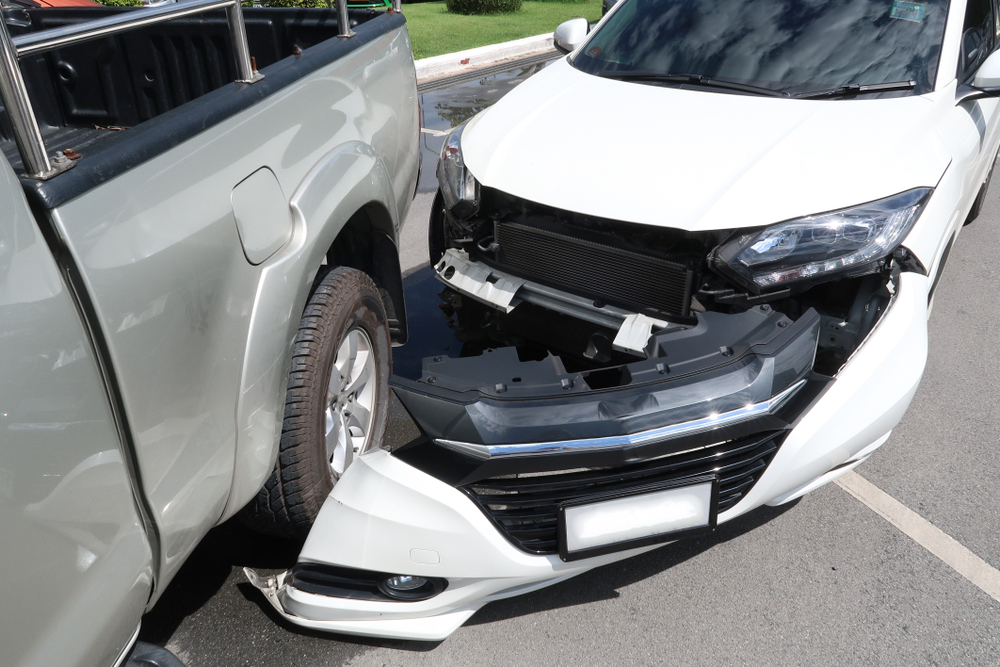
Hybrid vehicles are now a regular presence in Australian wrecking yards, largely because they have been sold in meaningful numbers for well over a decade. Many early hybrid models entered the market during the late 2000s and early 2010s, and a portion of these vehicles are now reaching an age where accident damage, mechanical failure, or repair costs outweigh their resale value.
In most cases, hybrids enter wrecking yards for the same reasons as conventional vehicles: collision write-offs, flood damage, drivetrain failure, or uneconomical repair outcomes. Battery degradation, while not always the sole cause, can contribute to end-of-life decisions when combined with other repair needs. As the number of hybrids on Australian roads has increased, it follows that more will naturally enter salvage and recycling channels over time.
What sets hybrids apart is not how they arrive at wrecking yards, but how they must be handled once they do.
Hybrid technology has moved from niche adoption into mainstream vehicle ownership, with Honda integrating hybrid drivetrains across multiple vehicle categories. This has resulted in a broader mix of hybrid vehicles appearing in salvage operations, rather than isolated or uncommon examples.
As these vehicles accumulate kilometres or sustain structural damage, they enter the dismantling stream in predictable ways. In many cases, the hybrid drivetrain or electronic systems remain serviceable even when the body or chassis does not. This allows specific components to be recovered, tested, and reused where appropriate, helping reduce waste and supporting the secondary parts market.
Many Honda hybrid vehicles entering wrecking yards today belong to earlier generations of hybrid technology. At this stage of the vehicle lifecycle, insurance write-offs and major mechanical or electrical faults become more common. When combined repair costs exceed market value, salvage becomes the practical outcome.
Hybrid components such as battery packs, inverters, and control units are often still functional when the rest of the vehicle is not. This makes controlled dismantling essential, both to recover usable parts safely and to ensure damaged or degraded systems are handled correctly. Responsible dismantling helps prevent unnecessary disposal of recoverable components while managing hazardous materials appropriately.
The presence of high-voltage vehicles has fundamentally changed how modern wrecking yards operate. Hybrid systems cannot be dismantled using traditional methods without introducing unacceptable safety risks. High-voltage identification, isolation, and verification are now standard requirements before any physical work begins.
Operations have adapted to include dedicated safety procedures, insulated tools, specialised personal protective equipment, and formal documentation. These measures protect staff, preserve component integrity, and ensure compliance with workplace safety and environmental obligations. As hybrid vehicles continue to form part of the national vehicle fleet, these processes are now a permanent feature of professional automotive recycling.
Hybrid and electric vehicles operate at voltages capable of causing serious injury if mishandled. For this reason, dismantling is treated as a controlled safety operation rather than routine wrecking work.
Each vehicle is positively identified as a high-voltage model on arrival. Electrical systems are isolated using manufacturer-aligned shutdown procedures before any dismantling begins. This includes securing keys or proximity devices, allowing time for stored energy to dissipate, and confirming isolation through testing. Only once systems are verified as safe does physical component removal proceed.
Hybrid vehicles are treated as electrically live until proven otherwise. Trained personnel equipped with appropriate high-voltage PPE carry out all isolation and battery removal tasks. Battery packs are removed using insulated tools and lifting equipment designed to minimise electrical and mechanical risk.
Each battery is inspected for signs of damage, overheating, or leakage. Units showing compromise are handled under stricter containment and monitoring protocols. Storage takes place in designated, ventilated areas away from ignition sources and environmental exposure. Batteries that reach end-of-life are transferred exclusively to licensed recycling facilities, ensuring hazardous materials are managed responsibly and recoverable resources are processed correctly.
Honda hybrid vehicles rely on complex electronic control systems that require careful handling during dismantling. Where possible, diagnostic checks are completed prior to disassembly to assess component condition and support accurate grading.
Electronic components are removed with attention to static protection and data security. Infotainment and telematics systems are cleared where feasible, and security-sensitive components are excluded from resale. All recovered electronics are labelled with vehicle details, testing status, and compatibility notes to support safe reuse.
Recovered hybrid components are not automatically approved for resale. Each part undergoes inspection and testing to confirm suitability for reuse. High-value or safety-critical items such as inverters, converters, motors, and battery modules are assessed against conservative acceptance criteria.
Components that do not meet required standards are diverted to compliant recycling streams rather than released to the market. This reduces risk for installers and vehicle owners while maintaining confidence in second-hand hybrid parts. Transparent grading and traceability are essential to responsible hybrid dismantling.
Safe handling of Honda hybrid and high-voltage vehicles underpins how we protect our staff, customers, and long-term credibility. From controlled system identification and isolation through to compliant battery removal, storage, and recycling, each stage follows documented safety and environmental practices. This ensures that only properly assessed and traceable hybrid components are returned to the market. For reliable second-hand Honda hybrid parts handled the right way, Honbits remains a trusted partner for vehicle owners and the trade alike.
Delivery to Trade is made twice daily Sydney wide. Delivery is also available Australia wide
To enquire about our current available stock and/or pricing please call our friendly staff on (02) 9725 2611 or click here to send us an email enquiry.

