
OPEN MONDAY-FRIDAY
02 9725 2611
LOW PRICES

Buying used Honda parts from a wrecker can be a smart way to keep costs down without sacrificing reliability, but only if each part is checked carefully before money changes hands. At Honbits, our team works with Honda components every day and has seen firsthand how the right inspection can mean the difference between a part that performs like new and one that fails soon after installation. This article explores the essential checks customers should make before committing to any used Honda part from a wrecker so they know exactly what they are paying for and how long they can reasonably expect it to last.
Readers will learn how to assess the condition and authenticity of key Honda components, understand what to look for in terms of wear damage and corrosion and recognise the warning signs that a part may have been poorly removed or stored. Honbits will also explain how to match parts correctly to specific Honda models and years, how to verify compatibility using part numbers and how to weigh up price against remaining service life. By the end, customers will have a clear picture of the questions to ask and the physical checks to carry out so they can buy used Honda parts with confidence to protect their vehicle and avoid costly repeat repairs.
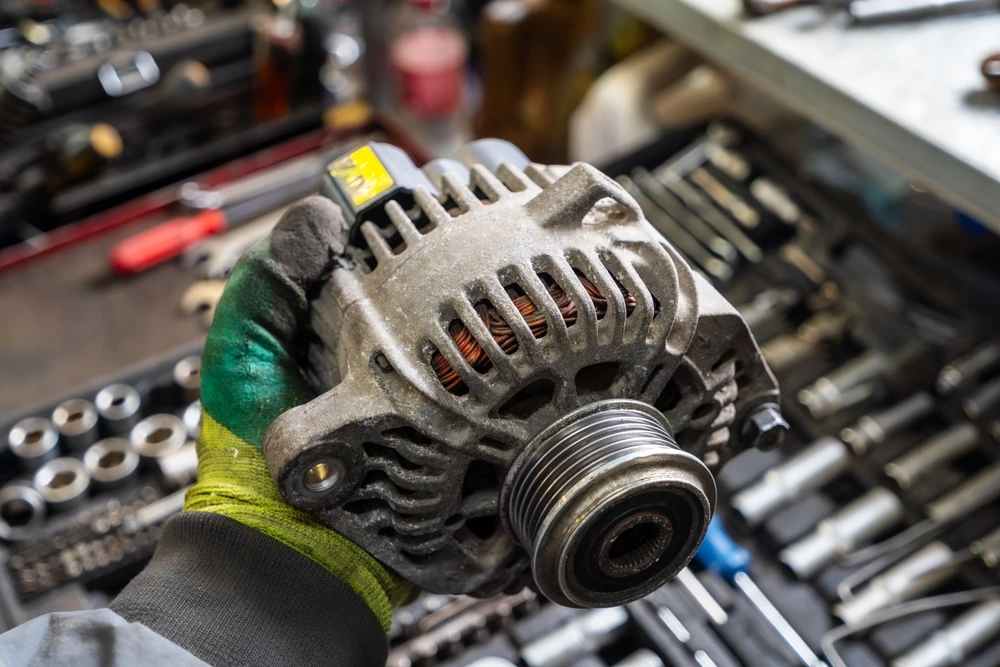
Before paying for any used Honda part, it is essential to confirm it will actually fit and function correctly in the specific vehicle. Getting compatibility right avoids wasted money, extra labour and the risk of damaging other components.
At Honbits, we cross-check every part against the customer’s vehicle information using Honda data and our own experience with local models. Buyers can speed this process up and avoid problems by gathering a few key details and understanding how compatibility works.
Compatibility always begins with accurate vehicle details. Professional Honda wreckers recommend having the following ready before enquiring about a part:
The VIN is the most reliable reference because it identifies the exact specification the car left the factory with. It is usually found on a plate in the engine bay at the base of the windscreen or on the driver’s door pillar, as well as in the registration papers.
Providing this information allows professional Honda wreckers in Sydney to match parts to the correct model series, such as Jazz GD vs GE or Civic FD vs FK, which often have parts that look similar but are not interchangeable.
Many Honda parts share a similar shape across different years or models yet differ slightly in mounting points, electrical plugs or internal design. Relying only on how a part looks can lead to issues once it is
installed.
Where possible the original part should be removed and its part number checked. This number is usually printed or stamped directly on the component or on a label. Licensed car wreckers can then search for a used part with the same Honda part number or a known supersession that Honda lists as a direct replacement.
If the part number is not easy to find, clear photos of the old part from several angles, including electrical connectors and mounting brackets, help the wrecker compare it with stock in the yard.
Honda often uses the same mechanical part across several models or years but with small variations for different markets or trim levels. For example, suspension components may differ between base and sports variants and headlights can vary between halogen and LED setups.
Professional Honda wreckers use interchange information to identify when a part from a different year or model will still fit. Customers should mention any modifications, such as aftermarket suspension audio systems or body kits, as these can affect whether a standard part will work.
It is also important to confirm the left or right side where relevant and whether the vehicle is a sedan, hatch or wagon. Confirming automatic vs manual and 2WD vs 4WD is equally important for items like gearboxes, driveshafts and some engine parts.
Before committing to any used Honda part from a wrecker it is essential to check both its physical condition and its reliability. A cheap part that fails early can cost more in extra labour and downtime than a new genuine item. Licensed car wreckers recommend a simple but thorough check every time so customers know exactly what they are fitting to their Honda.
Most reputable wreckers will allow inspection before purchase and will provide information about the vehicle the part came from. Combining a careful visual check with the right questions and basic testing helps buyers avoid hidden damage or excessive wear.
Begin by inspecting the part in good light. Look for cracks, broken mounting tabs, corrosion and obvious signs of impact. For example, a control arm with fresh scrape marks or distortion near the ball joint may have been in a front-end collision. Plastic parts such as bumpers, headlights and interior trims should be checked for repaired cracks or glue, which can indicate weak points.
Metal components should feel solid with no soft spots or heavy rust flaking. Surface rust on brackets is usually fine, but deep pitting on structural parts such as subframes, crossmembers or suspension arms is a red flag. With moving parts like door hinges or window regulators, gently move them through their travel. Any grinding stiffness or excessive play suggests heavy wear.
Rubber components, including bushes, engine mounts and hoses, should not be badly cracked, swollen or oil-soaked. On engines and gearboxes check for oil leaks around seals and gaskets. A light film of oil can be normal on older parts, but wet drips or thick buildup around joints often point to ongoing leaks.
Even within the same model, Honda often uses different variants of the same part. Confirm the donor vehicle’s VIN, build year, engine code and transmission type, then match these details to the buyer’s Honda. Honbits uses factory databases to cross-reference part numbers so customers avoid issues like incorrect sensor plugs or mismatched gear ratios.
Ask the wrecker about the donor vehicle’s kilometres and why it was written off. A low-kilometre Honda that was rear-ended is more likely to have good engine and front suspension components than a high-kilometre vehicle that suffered engine failure. If available, review any service stickers under the bonnet or on the part, such as timing belt replacement labels or recent battery dates, as these can indicate how well the car was maintained.
Many electrical parts can be bench tested before sale. For example, alternators can be output tested, starters can be powered to confirm engagement and radiator fans can be run to check speed and noise. For electronic modules and sensors, car wreckers often use diagnostic tools to verify operation on the donor vehicle or on a test rig.
For engines and transmissions, ask whether compression tests, oil pressure checks or road tests were completed before removal. Look for signs of sludge under the oil filler cap or metal flakes on the magnetic drain plug, which may indicate internal wear. Spin pulleys by hand to feel for roughness and listen for rattles that might point to bearing issues.
Finally, confirm what warranty the wrecker offers and what it covers. A reasonable parts warranty, even 3 to 6 months, shows confidence in the stock and gives buyers time to install and properly test the part in real driving conditions. Licensed Honda wreckers record each part with stock numbers and vehicle details, which helps support any warranty claims and reassures customers that the used Honda part has been checked and documented.
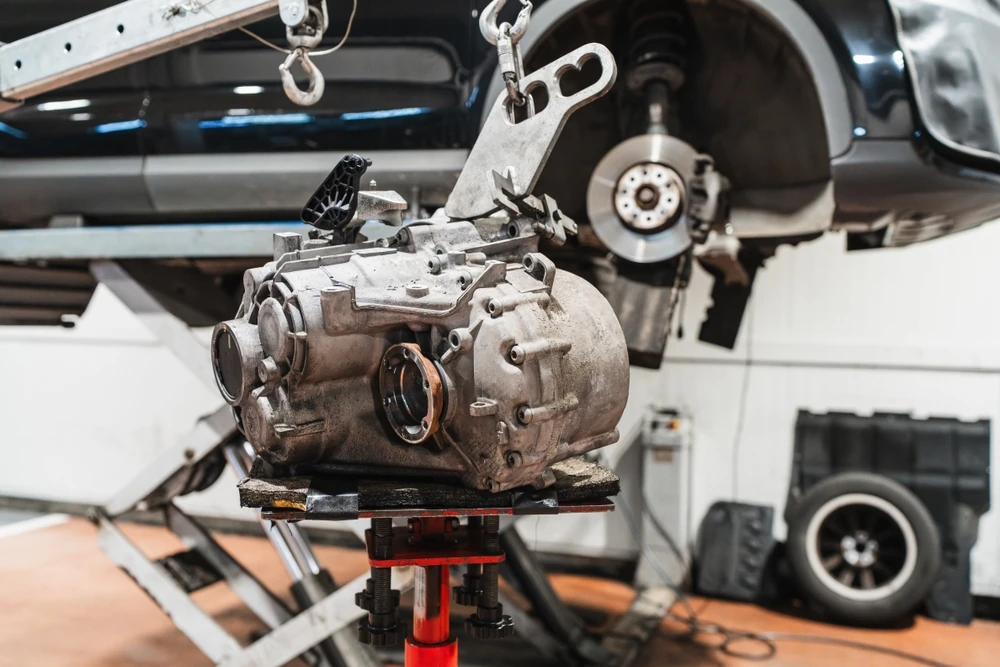
Before handing over any money for used Honda parts, it is essential to ask the right questions. This helps confirm the part will fit the vehicle, is in safe working order and is backed by fair policies if something goes wrong. A short conversation up front can save a lot of time, frustration and extra cost later.
Honbits recommends treating each purchase like an inspection checklist. The questions below give a clear structure to use whether buying in person or over the phone.
The first priority is making sure the part actually fits. Hondas often share engines and components across years and models, but there are many small variations.
Ask the wrecker to confirm compatibility using the Honda VIN and the donor vehicle details. Provide the full 17-digit VIN plus build year, body shape and transmission type. Then ask what car the part is coming from, including its VIN if possible.
It is also worth asking whether the part number matches Honda’s original number or a superseded version. For electronic components such as ECUs, sensors and ABS modules, even a single-digit difference in the part code can cause issues. If possible, request photos of labels and casting numbers and compare them with the existing part on the vehicle.
Condition affects both safety and value. A cheaper part is not a bargain if it fails soon after fitting.
Ask whether the part has been tested on the vehicle before removal or bench-tested after removal. For engines, gearboxes and differentials, ask about the donor vehicle’s odometer reading and whether it was running or damaged in an accident. For safety-related parts such as suspension, steering and braking components, ask specifically whether there is any visible damage, wear or corrosion.
Request clear photos from several angles, especially for panels, lights, interior trim and alloy wheels. For electrical items, ask if there are any broken clips, cracked housings or damaged plugs. If buying an engine or transmission, ask whether it comes as a complete assembly and exactly what is included, such as alternator, starter motor, manifolds, wiring or sensors.
A reputable wrecker should stand behind the parts it sells. Before buying, ask how long the warranty period is and what it actually covers. Clarify whether the warranty is replacement only or if refunds are possible.
Check if there are any conditions that might void the warranty, such as not using a licensed mechanic for installation or not replacing related service parts like filters and fluids. For larger items such as engines, gearboxes and ECUs, ask whether the wrecker provides installation notes or specific requirements that must be followed.
It is also important to ask about the return process. Confirm who pays freight if a part needs to go back, how long the buyer has to lodge a claim and what proof is required, such as photos or a mechanic’s report.
In the end, buying used Honda parts from a wrecker should never feel like a gamble. When you take the time to confirm the exact model and VIN compatibility, visually inspect parts for wear and damage, ask about kilometres and vehicle history, check for signs of previous repairs or modifications and insist on clear warranty and return terms, you dramatically reduce the risk of headaches later. Add to that a careful check of the wrecker’s reputation, certifications and customer support, and you’re no longer “just buying second‑hand”; you’re sourcing reliable Honda parts in a way that protects your car, your budget and your peace of mind. When these checks become your routine, used parts stop being a compromise and instead become a practical, sustainable and cost‑effective way to keep your Honda performing at its best.
Delivery to Trade is made twice daily Sydney wide. Delivery is also available Australia wide
To enquire about our current available stock and/or pricing please call our friendly staff on (02) 9725 2611 or click here to send us an email enquiry.

