
OPEN MONDAY-FRIDAY
02 9725 2611
LOW PRICES

Selling a Honda to a wrecker is not just about getting rid of an unwanted car. The vehicle’s condition, model, parts value, paperwork and pickup details can all affect the final offer and how smoothly the process runs. For people comparing Honda wreckers in Sydney, Honbits understands how these factors influence the value of older, damaged, unregistered or non-running Honda vehicles.
This article explains when wrecking may be the better option, how wreckers assess a vehicle, what documents are usually needed and what to expect during pickup and payment. It also looks at how parts recovery and recycling help reduce waste, giving sellers a clearer understanding of what makes an offer fair and how to prepare before collection.
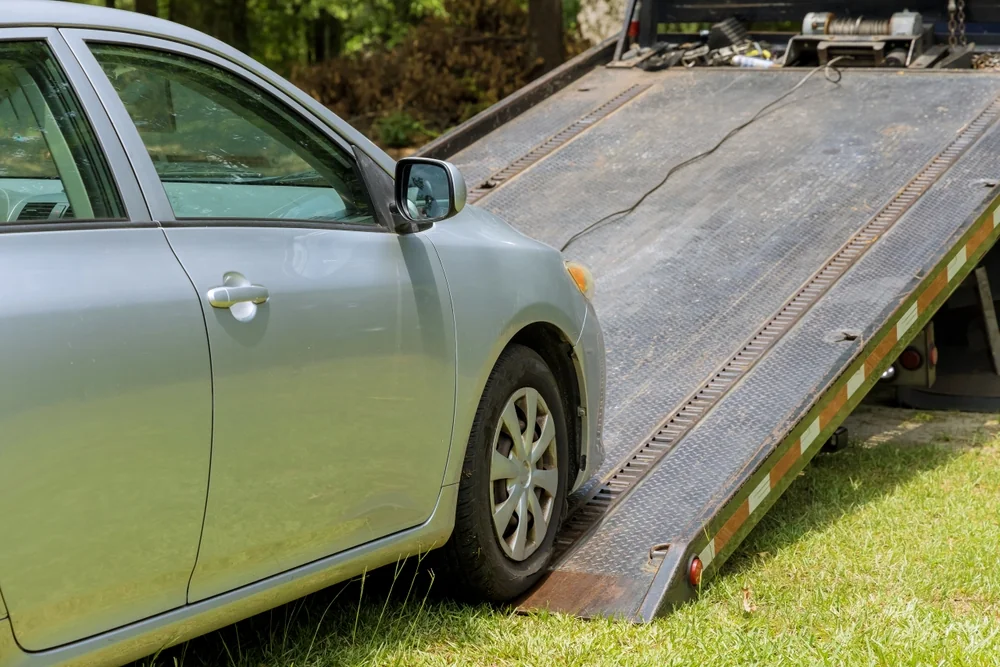
Wrecking is often the more practical choice when the cost, time and effort involved in repairing or privately selling a Honda no longer make sense. A car may still have value, but that value may sit in its usable parts rather than its ability to return to the road.
The decision usually comes down to comparing repair costs, likely private sale value and the offer a wrecker can make for the vehicle as it is. If the car has major mechanical issues, accident damage, high kilometres or limited buyer interest, selling to a wrecker can provide a faster and more predictable outcome.
A strong sign that wrecking may be the better option is when a mechanic’s quote comes close to, or exceeds, the market value of the Honda in good working order. This can apply to common models such as Civics, Accords, Jazz and CR-Vs, particularly when they are older, high-kilometre or already showing signs of wear.
Expensive repairs that can quickly change the value equation include engine rebuilds, transmission failures, major electrical faults, ECU problems, wiring loom issues and airbag or safety system repairs. When several of these appear on the same quote, the cost of getting the vehicle roadworthy again may be higher than what the car could realistically sell for afterwards.
Age and mileage also matter. A 15-year-old Honda with more than 200,000 km is unlikely to recover the cost of major repairs through a higher resale price. In that situation, wrecking may return better value than continuing to spend money on a vehicle that is nearing the end of its practical use.
Private buyers usually look for cars that are roadworthy, clean, easy to insure and straightforward to transfer. Vehicles with serious damage or uncertain repair costs often attract low offers or no interest at all.
Wrecking is often worth considering when a Honda has accident damage, hail damage, flood damage, structural rust, airbag deployment or repeated failed safety inspections. Even if the car still starts and drives, these issues can make private buyers cautious because they may be taking on unknown future costs.
Appearance can also affect buyer interest. Faded paint, mismatched panels, cracked interiors and obvious oil leaks can all reduce the appeal of a private sale. A wrecker, however, is usually more interested in what can be recovered from the vehicle, such as the engine, gearbox, panels, lights, electronics, interior trims and alloy wheels.
Selling privately can take time. It usually involves advertising the vehicle, responding to enquiries, arranging inspections, dealing with test drives and negotiating with buyers. For older, damaged or non-running Hondas, that process can be slow and uncertain.
A wrecker can often provide a faster option. In many cases, the seller receives a quote based on the model, age, condition and parts value of the vehicle, followed by arranged pickup and payment at collection. This can be useful when the car is taking up space, no longer drivable, unregistered or unlikely to attract serious private buyers.
The price a wrecker offers for a Honda is not random. It is based on what can be dismantled, tested, reused, resold or recycled. A vehicle with strong parts demand may attract a better offer than one that is missing key components or only has scrap metal value left.
This is why two similar-looking Hondas can receive very different offers. A complete, high-kilometre vehicle from a popular model may be worth more to a wrecker than a lower-kilometre car with severe structural damage or missing major parts.
Condition affects both the number of usable parts and the amount of work required to recover them. Wreckers will usually consider whether the Honda starts and drives, how much accident damage it has, whether rust is present in structural areas and whether important components are still fitted.
Interior condition may also affect value. Seats, airbags, dashboards, trims, steering wheels and electronic controls can all carry resale value if they are clean, undamaged and compatible with models still being repaired by owners.
Completeness is important as well. A Honda that still has its catalytic converter, wheels, battery, ECU, stereo, keys and service history will usually be easier to assess and may attract a stronger offer. If high-value parts have already been removed, the offer may fall closer to scrap value.
The model, year and variant influence demand in the used parts market. Popular Honda models tend to create ongoing demand for replacement parts, especially when many are still on the road.
Newer generations may attract stronger offers because owners are more likely to repair them rather than scrap them. Higher-spec trims can also be worth more because features such as leather seats, sunroofs, upgraded infotainment systems and safety technology may be in demand.
Drivetrain can also influence value. Engines, gearboxes, VTEC components, turbo variants and all-wheel drive systems may increase interest if they are compatible with models that are still commonly repaired. Having the exact model code, build year, engine size and transmission type available can help a wrecker provide a more accurate quote.
A wrecker assesses a Honda as a collection of usable parts, not just as one complete vehicle. Some components are often more valuable than others, depending on model demand and condition.
Parts that can support a stronger offer include straight body panels, headlights, tail lights, mirrors, alloy wheels, undamaged airbags, clean interior trims, tested engines and working transmissions. Even if one major component has failed, another may still hold value. For example, a Honda with a blown engine may still have a usable gearbox, panels, wheels and interior parts.
If the most valuable components are damaged, missing or already removed, the vehicle may be worth mostly its scrap metal weight. Current metal prices can affect this part of the offer, but parts demand is often what separates a stronger wrecking offer from a basic scrap price.
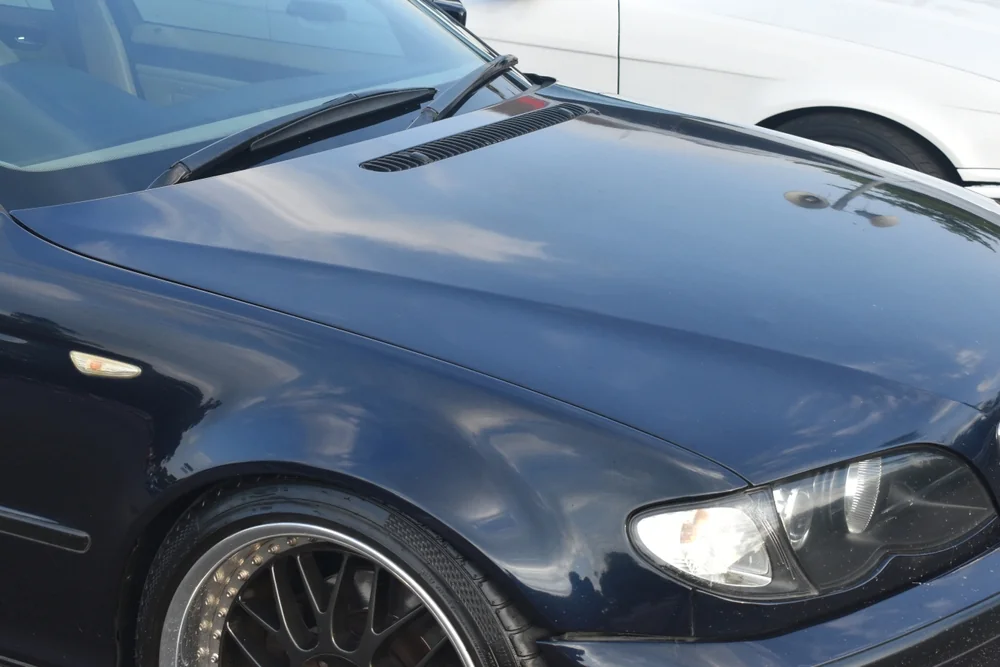
Damage, registration status and running condition can all affect the final price, but they do not usually prevent a Honda from being sold to a wrecker. Many wreckers regularly buy unregistered, non-running and accident-damaged vehicles because the value may still sit in parts and recyclable materials.
Understanding how these factors affect the offer helps sellers set realistic expectations. It also makes it easier to decide whether repairs or extra paperwork are worth handling before pickup.
For wreckers, some level of damage is expected. Hail damage, dents, faded paint, worn interiors and minor panel damage may not reduce the offer heavily if important mechanical parts and electronic components are still usable.
Even heavily accident-damaged vehicles may still be accepted. If a Honda has bent chassis rails, deployed airbags or major body damage, the value may shift away from the shell and towards undamaged parts such as the engine, transmission, lights, wheels, interior components and electronics.
The main exception is severe fire damage or a completely burnt-out shell. In those cases, many reusable parts may be destroyed, which means the vehicle may only attract scrap metal value.
Current registration is not usually required when selling a Honda to a wrecker. Unregistered vehicles are commonly purchased as long as the seller can prove they have the legal right to dispose of the car.
Proof of ownership is usually more important than active registration. Sellers may be asked for photo identification and supporting documents such as registration papers, a purchase receipt or finance release confirmation if the vehicle was previously under loan.
If the Honda is still registered, the seller may be able to cancel the registration with the relevant road authority and apply for any eligible refund. Number plates should usually be removed before or at the time of collection, depending on the process required. This registration refund is separate from the amount paid by the wrecker.
Vehicles listed as statutory write-offs cannot legally return to the road, but they may still have parts value. Repairable write-offs may also be accepted, with pricing based mainly on the condition of reusable components rather than the possibility of re-registration.
A Honda that starts and drives may attract a stronger offer because the engine and transmission can be assessed more easily. Smooth idle, clean gear changes and no major smoke can give a wrecker more confidence that key mechanical parts can be reused or resold.
Non-running vehicles are still commonly accepted. A car may have a seized engine, blown head gasket, failed transmission, flat battery, electrical fault or missing key, and still hold value through panels, interior parts, wheels, electronics and scrap metal.
In most cases, there is little financial benefit in paying for major repairs just to sell the car to a wrecker. It is usually better to describe the condition accurately and let the wrecker price the vehicle based on its current state.
A little preparation before pickup can prevent delays, protect the agreed offer and make the collection process easier. Most of the work involves confirming ownership, removing personal items and making sure the vehicle can be accessed safely by the tow truck.
Being organised also reduces the chance of disputes when the driver arrives. If the car’s condition, location and included parts match what was described during the quote, pickup is usually much smoother.
The wrecker needs to be satisfied that the seller has the legal right to dispose of the Honda. Before pickup, it helps to have photo identification and proof of ownership ready.
Useful documents may include a driver’s licence, registration papers, purchase receipt, disposal authority or a finance release letter if the vehicle was previously under finance. If paperwork is missing, it is better to tell the wrecker before booking the collection rather than waiting until the truck arrives.
Unclear ownership can delay or stop the transaction. In some cases, the wrecker may not be able to collect the vehicle until the correct documents are provided.
All personal belongings should be removed before the Honda is collected. Once the vehicle reaches the wrecking yard, recovering forgotten items can be difficult or impossible.
Common places to check include the glove box, centre console, door pockets, boot, underfloor storage, seat pockets, sun visors and any aftermarket storage compartments. Toll tags, child seats, phone mounts, tools, USB drives, paperwork and spare keys are often forgotten.
If aftermarket accessories are being removed, this should be discussed before the final quote is accepted. Items such as stereos, alloy wheels, roof racks, performance exhausts or upgraded parts may have been included in the original valuation. Removing them afterwards can lead to a lower on-site offer.
The tow truck needs clear and safe access to the Honda. Ideally, the vehicle should be in a driveway, carport or accessible street location rather than blocked inside a tight garage or behind other cars.
Doors should be unlocked, and the keys should be available if possible. If the car rolls freely and the steering works, it can usually be winched onto the truck more easily. If the battery is flat, the car is stuck in park, wheels are missing or the vehicle cannot move, the wrecker should be told in advance so the right towing equipment can be arranged.
Clear information before pickup helps avoid delays, extra handling issues and last-minute changes to the collection plan.
Most wreckers follow a simple process: provide a quote, confirm the pickup details, inspect the vehicle on arrival, complete the paperwork and make payment. Understanding this process helps sellers avoid surprise fees, unclear terms or disputes about the agreed amount.
The exact process may vary between operators, but a reputable wrecker should be clear about the offer, towing arrangements and payment method before the vehicle is collected.
Once the quote is accepted, the pickup time is arranged. In metropolitan areas, same-day or next-day collection may be available depending on truck schedules and how early the booking is made. Regional or difficult-access pickups may take longer.
The seller should provide clear details about the vehicle’s location, condition and access. Tight driveways, underground parking, steep slopes, missing wheels or a non-running vehicle should all be mentioned before the truck is sent.
Good communication at this stage helps the driver arrive with the right equipment and reduces the chance of delays.
When the driver arrives, they will usually inspect the Honda to confirm it matches the description given during the quote. This may include checking the model, year, VIN, damage, missing parts and whether the engine and gearbox are present.
If the vehicle is as described, the agreed offer should usually stand. If major details were left out, such as missing catalytic converters, removed wheels or more serious damage than stated, the offer may be adjusted.
The driver may record the VIN, take photos and complete a receipt or disposal form. Once paperwork is finalised and payment is made, the vehicle is loaded onto the truck and removed.
Selling a Honda to a wrecker can also support a more responsible disposal process. Instead of sending the entire vehicle straight to landfill or scrap, professional wreckers recover usable parts, recycle metal and manage fluids and hazardous materials more carefully.
Reusable components such as engines, transmissions, panels, mirrors, lights, wheels and interior trims can be tested and resold. This helps extend the life of existing parts and gives other Honda owners access to replacement components without always needing new parts.
Vehicles also contain materials that need proper handling, including engine oil, coolant, brake fluid, fuel, batteries, tyres and air-conditioning gases. A responsible wrecker should manage these materials safely before the remaining shell is recycled for metal.
Selling a Honda to a wrecker is easier when the vehicle is described accurately, paperwork is ready and expectations are realistic. Condition, model demand, parts value, registration status and accessibility all influence the final offer, so clear communication before pickup is important.
Comparing offers from reputable Honda wreckers in Sydney can also help sellers avoid undervalued quotes or unclear collection terms. With the right preparation, an unwanted, damaged or non-running Honda can be turned into a straightforward transaction with less stress, fewer delays and a fairer return.
Delivery to Trade is made twice daily Sydney wide. Delivery is also available Australia wide
To enquire about our current available stock and/or pricing please call our friendly staff on (02) 9725 2611 or click here to send us an email enquiry.

