
OPEN MONDAY-FRIDAY
02 9725 2611
LOW PRICES

When a Honda requires repairs, one of the most important decisions involves selecting the right replacement parts. Whether the issue involves accident damage, mechanical wear or routine maintenance, the choice of parts can influence performance, safety, reliability and overall repair costs. For vehicle owners exploring options through Honda wreckers in Sydney, Honbits provides access to a range of genuine, aftermarket and quality-used Honda components.
Each type of replacement part offers distinct advantages and limitations. Vehicle age, repair type, budget, safety requirements, warranty conditions and part availability can all influence which option delivers the best value. Understanding how genuine, aftermarket and used parts compare makes it easier to choose a solution that balances cost, quality and reliability.
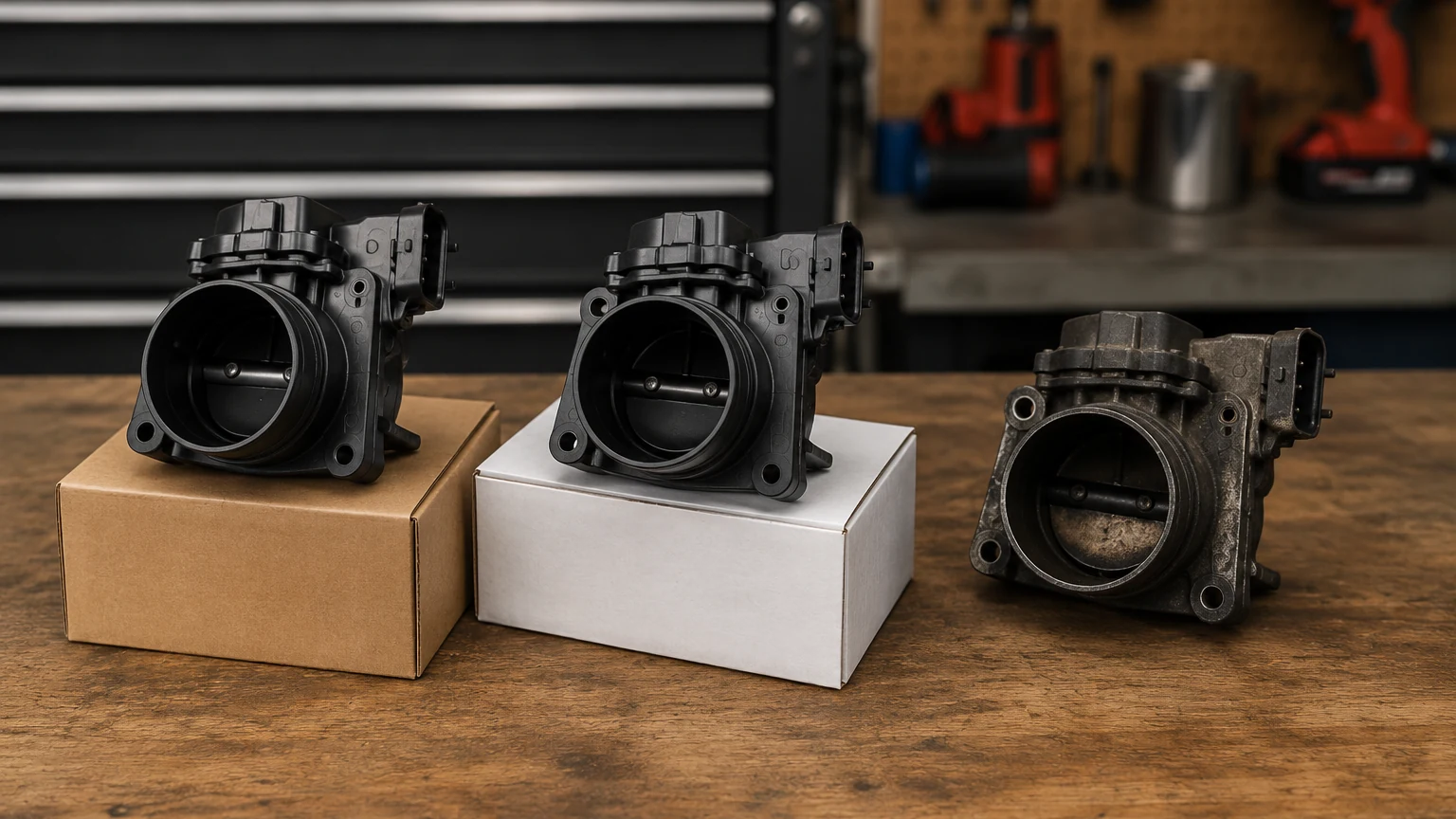
Choosing between genuine, aftermarket and used Honda parts affects how well a repair will last, how the vehicle will drive and how much the repair will cost. Although all three options can get a Honda back on the road, they differ in quality control, fitment, warranty and value.
Understanding these differences helps match the part type to the age of the vehicle, the kind of repair required and the available budget. The right choice for a late-model daily driver with full insurance cover may be different from what suits an older runabout, second vehicle or project car.
Genuine parts are made or licensed by Honda to the same specification as the parts fitted when the vehicle left the factory. These parts usually come in Honda-branded packaging with a part number and are supplied through authorised channels.
The main advantages are fit, consistency and compatibility. A genuine control arm, sensor or body panel is designed for a specific model and year, so installation is usually straightforward and performance should match the original. Genuine parts often carry manufacturer-backed warranty terms, which can be important for braking components, engine internals, electronics and other critical systems.
The trade-off is cost. Genuine parts are usually the most expensive option. For older vehicles, the price of multiple new genuine parts can approach or exceed the value of the car, which is why owners sometimes choose genuine parts for safety-critical systems and other options for cosmetic or lower-risk repairs.
Aftermarket parts are made by third-party manufacturers rather than Honda. Some aftermarket brands also supply parts to vehicle makers as original equipment in other contexts, while others focus solely on the replacement market.
Quality can range from premium to very basic. A reputable aftermarket brand may design parts that equal or occasionally improve on original performance, such as upgraded brake rotors or heavy-duty suspension components. At the other end of the scale, very cheap aftermarket parts may use lower-grade materials, looser tolerances or less durable finishes.
Fitment is usually close but not always perfect. An aftermarket bumper, headlight or trim piece might need minor adjustment or extra time to align correctly. Warranty terms also vary by brand and supplier. However, aftermarket parts are often more affordable, making them a common choice for consumables and non-critical repairs on daily-driven Hondas.
Used parts are genuine components removed from a donor vehicle, usually through a wrecker or recycler. They are original specification parts, but their condition depends on age, previous use, storage and whether the part has been properly checked before sale.
For body panels, interior trim, factory wheels, lights and some mechanical items, used genuine parts can provide substantial savings compared with new equivalents. They are also useful when new genuine parts are discontinued, on back order or difficult to source, especially for older Honda models.
Condition is the key variable. Some used parts are tested, graded or supplied with a limited warranty, while others are sold as is. Rubber components, heavily stressed suspension parts, braking parts, steering components and restraint systems generally need extra caution. Safety and roadworthiness should always come before cost savings.
New genuine parts are sometimes the most cost-effective choice, even though they carry a higher upfront price. They are engineered to match original specifications exactly, which can reduce the risk of repeat repairs, fitment issues and unexpected side effects. In some repair situations, using anything else may create more downtime or future damage.
Choosing genuine components matters most when precision, safety and long-term reliability are involved. The following scenarios outline when new genuine Honda parts are usually worth considering over aftermarket or used alternatives.
For parts that directly affect safety, the original equipment standard is usually worth the investment. These parts are designed and tested as part of a complete vehicle system, so small differences in material, calibration or fit can affect how the car behaves in an emergency.
New genuine or manufacturer-approved parts are usually the safest choice for:
Using non-genuine, incorrect or used parts in these areas can introduce unknown wear, compatibility issues or specification differences. These problems may only become obvious during hard braking, evasive steering or a collision. The cost savings rarely justify the safety risk.
Modern Hondas rely on integrated electronics where one incorrect part can trigger persistent fault codes, poor running, warning lights or higher fuel use. Genuine components are designed to work with factory software and wiring, reducing diagnostic issues.
Genuine parts are usually worth considering for:
Some aftermarket versions may work well, especially from reputable brands, but cheaper alternatives can cause intermittent problems. With electronics, the extra cost of genuine parts can be offset by reduced diagnostic time and fewer repeat repairs.
On newer Hondas, particularly those still within factory or extended warranty periods, genuine parts can help protect resale value and reduce the risk of warranty disputes. A service or repair history that specifies genuine replacements can also reassure future buyers that the vehicle has been maintained to the manufacturer's standard.
Even once the official warranty has expired, late-model vehicles may still benefit from genuine parts where:
Minor savings on parts can be outweighed by lower resale value, diagnostic issues or disputes over non-genuine modifications.
Certain parts are highly visible or need precise alignment to avoid noise, leaks or premature wear. Genuine parts tend to offer more predictable fit and material quality, which can make a noticeable difference in everyday use.
This is relevant for:
Poor fit in these areas can lead to rattles, wind noise, water leaks, uneven panel gaps or premature wear. Spending more on the correct genuine component can sometimes prevent multiple attempts with cheaper alternatives.
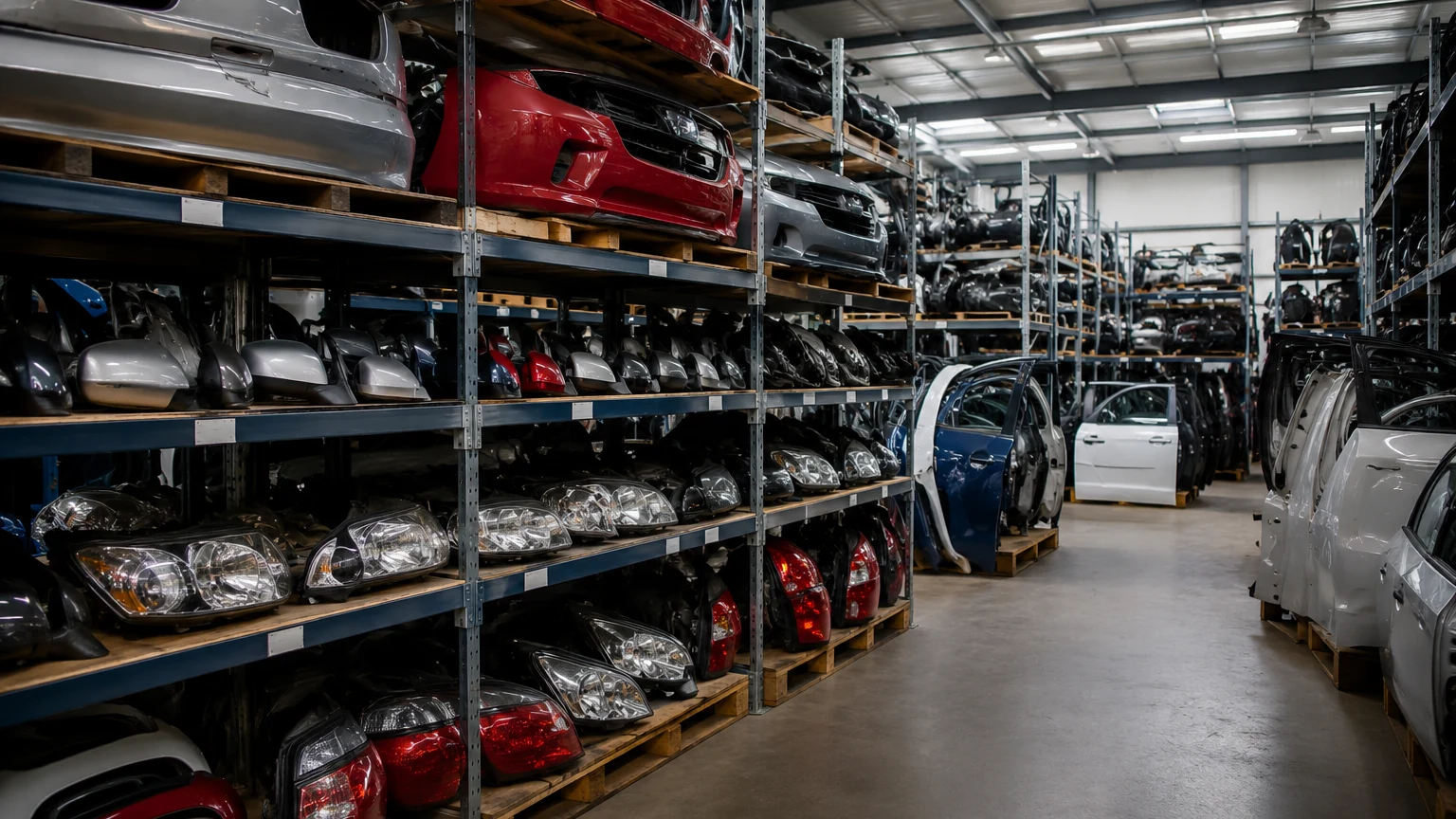
Aftermarket parts can be a smart choice in specific situations where cost, availability and the nature of the repair all line up. The key is knowing when an aftermarket component will perform adequately without compromising safety, reliability or long-term value.
Aftermarket suits some repairs far better than others. Understanding those situations helps avoid paying a premium for genuine parts where it is not necessary, while also preventing false economies on critical components.
Aftermarket parts are often most practical on older vehicles that are out of warranty and have already depreciated significantly in value. The goal is usually to keep the car safe, reliable and economical to maintain rather than preserve showroom originality.
Non-structural cosmetic pieces are commonly replaced with aftermarket options with minimal downside. Everyday service items can also be suitable when sourced from reputable aftermarket brands.
These may include:
For normal commuting and general use, quality aftermarket parts can provide good value. However, the cheapest option is not always the best option, especially if the part is difficult to replace or could affect safety.
For some repairs, the practicality of aftermarket parts is driven by supply rather than price. On older or less common Honda models, genuine parts may be discontinued, on national back order or only available with long lead times.
A quality aftermarket component can get the vehicle back on the road far sooner. This can be relevant for:
A reputable aftermarket supplier that matches original specifications or carries recognised brands reduces the risk of fitment issues or premature failure.
Aftermarket parts are more practical on components that do not bear high loads, are not central to safety systems and can be inspected or replaced again without major labour costs.
Examples may include:
These items are relatively low risk because defects can usually be identified quickly and rectified without dismantling major sections of the vehicle. In contrast, safety-critical components are rarely worth replacing with low-quality aftermarket alternatives.
Used genuine parts suit repairs where factory-correct fit and function matter, but brand-new components are not essential. They are useful for keeping repair costs under control on older vehicles while still maintaining original Honda fitment.
Choosing used parts makes the most sense when the component does not wear out rapidly in normal use or when the part is very expensive to buy new. A quality used genuine item can deliver long service life at a lower price than a new genuine part.
Body and cosmetic repairs are often the best candidates for used genuine Honda parts. Panels and trim either fit and look correct, or they do not, making the precision of genuine parts especially valuable.
Used genuine parts can suit repairs such as:
These components do not have the same internal wear surfaces as many mechanical parts. As long as they are undamaged, correctly matched and free from rust or distortion, a used genuine part can perform much like a new one. This is especially valuable on older models where new genuine panels or lights are discontinued or expensive.
Some mechanical parts can also be good candidates for used original components, provided they can be inspected properly and are not high-wear service items.
Examples may include:
Some larger components, such as subframes or crossmembers, may also be suitable in certain situations, but they should be professionally inspected for cracks, rust, impact damage and correct alignment. Steering, braking, restraint and heavily stressed suspension components require particular caution because they directly affect safety and roadworthiness.
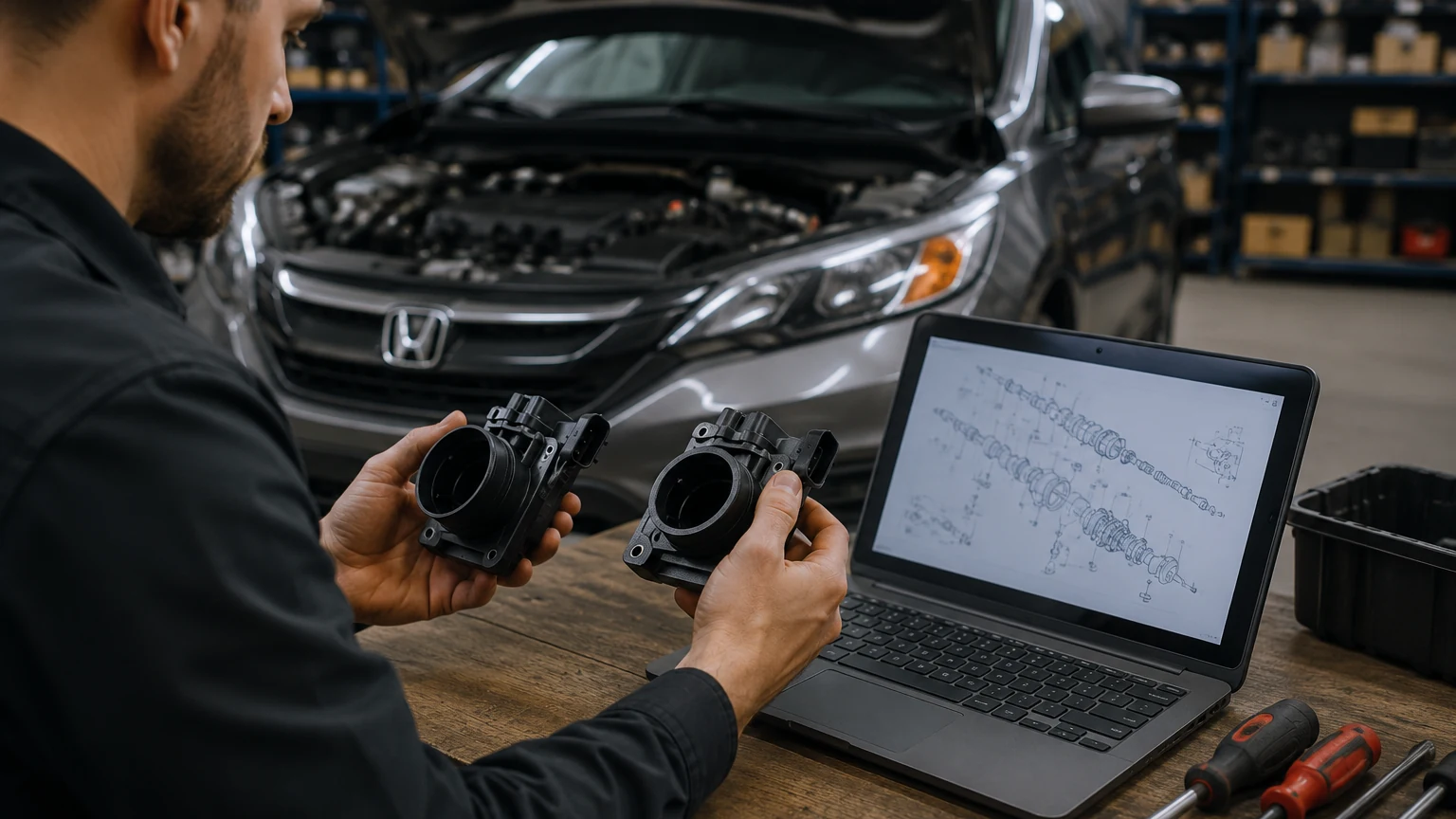
Correct fitment is the difference between a straightforward repair and wasted time and money. Before ordering any genuine, aftermarket or used Honda part, confirm that the part physically fits the vehicle and is compatible with its systems.
Fitment checking is not complicated, but it must be done methodically. The key is to match the part to the exact vehicle specification, not just the model name on the boot lid.
Accurate vehicle information is the foundation of any fitment check. Generic details like “2012 Civic” are rarely enough because model updates, trim levels and production changes can affect part compatibility.
Record the following from the registration papers, build plate, compliance plate or vehicle identification details:
Trim levels and facelifts within a generation can use different parts. A 2008 and a 2010 model in the same series may have different headlights, bumpers, sensors or suspension components, so do not assume interchangeability based on appearance alone.
The most reliable way to confirm fit is by matching part numbers. Genuine, high-quality aftermarket and used suppliers will often reference the Honda part number or a compatible replacement number.
For genuine parts, the Honda part number format usually combines numbers and letters grouped in sections. Once that number is known, it can be used to:
If the old part is not available, photographs and measurements can help, but they should support part number confirmation rather than replace it. For visually similar components, a small difference in the part number can mean different calibration, mounting points or dimensions.
A Honda parts specialist can help confirm compatibility using the VIN, part number, model code and donor vehicle details before a part is supplied.
Choosing between genuine, aftermarket or used parts involves more than selecting the cheapest option. The right decision depends on how the vehicle is used, the type of repair, safety requirements and long-term ownership plans. A careful assessment of these factors helps avoid repeat repairs and compatibility issues.
Before ordering any component, it is worth weighing cost against reliability, checking how critical the part is to safety or performance and confirming it will fit the exact model and build year. Warranty rights, supplier support and insurance requirements should also influence the final choice.
The more critical a part is to safety or core vehicle operation, the more important it is to prioritise quality, compatibility and proven reliability.
Safety-critical items include:
For these parts, genuine or high-quality branded aftermarket parts are usually preferred because they provide more predictable performance and are more likely to meet the required standards for safe operation.
Wear-and-tear or cosmetic components, such as interior trim, mirrors, panels, handles or non-structural plastic pieces, give more flexibility. A good used or aftermarket part can be adequate where failure would be inconvenient rather than dangerous.
Price is usually the first difference noticed between genuine, aftermarket and used parts, but it should not be the only consideration. A cheaper component that fails early can quickly erase any initial savings.
Check the warranty on both the part and the labour. Genuine parts often come with clear manufacturer-backed warranty terms, while reputable aftermarket parts may also carry strong warranties. Used parts usually have shorter coverage, often limited to initial operation or a defined warranty period from the supplier.
Ownership plans also matter. For a vehicle intended to be kept for many years, genuine or premium aftermarket parts may provide better overall value through longer service life. For a car that will be sold soon, a cost-effective but reliable aftermarket or tested used part may be sufficient, provided it does not compromise safety or roadworthiness.
Insurance and finance terms can also influence the decision. Some policies, repair agreements or mechanical protection plans may specify the type of parts that can be used for certain repairs, so check any conditions before ordering alternatives.
Whatever option is chosen, the part must match the vehicle precisely. Use the VIN and exact model details to confirm compatibility rather than relying only on visual similarity. Incorrect fitment can create noise, premature wear, warning lights or even damage to connected systems.
Quality varies widely in the aftermarket and used markets. Look for well-known brands, clear specifications, warranty terms, ADR compliance where relevant and supplier information that confirms the part is suitable for the exact model.
For used parts, favour suppliers who can identify the donor vehicle, check the condition of the part and explain whether it has been tested or inspected. A specialist dismantler or reputable parts retailer is more likely to supply correctly identified components, provide accurate advice on suitability and support the product if a problem arises.
There is no single answer when choosing between genuine, aftermarket and used Honda parts. The best option depends on the repair itself, the age of the vehicle, the available budget and how long the owner intends to keep the car. Genuine parts often provide the highest level of consistency and reliability for safety-critical systems and newer vehicles, while quality aftermarket components can offer strong value for many common repairs. Used genuine Honda parts remain a practical and cost-effective choice for older models, cosmetic repairs and discontinued components when sourced from a reputable supplier. By understanding the strengths and limitations of each option, Honda owners can make repair decisions that balance safety, performance and long-term value.
Delivery to Trade is made twice daily Sydney wide. Delivery is also available Australia wide
To enquire about our current available stock and/or pricing please call our friendly staff on (02) 9725 2611 or click here to send us an email enquiry.

