
OPEN MONDAY-FRIDAY
02 9725 2611
LOW PRICES

Honda owners usually choose the brand for reliability, but even well-built vehicles develop wear-related faults over time. Honda wreckers in Sydney often see the same trouble spots come up repeatedly as Hondas age and kilometres build up, from ignition components and suspension parts to cooling system issues, air conditioning faults, transmission-related problems and key electrical failures.
This article looks at the Honda parts that most commonly fail, what usually causes those problems and the kind of repair costs owners may face. It also explains which faults are often manageable when caught early and which can become far more expensive if ignored. With the right information, Honda owners can budget more confidently, recognise warning signs sooner and decide when quality used parts may help reduce overall repair costs.
Many owners want straightforward information on which Honda parts commonly fail and what it generally costs to put things right. While Hondas have a strong reputation for long-term reliability, some components predictably wear out once a vehicle gets older or reaches higher kilometres. Below are some of the most common problem areas, together with the sort of repair costs owners can usually expect, so they can plan ahead more confidently.
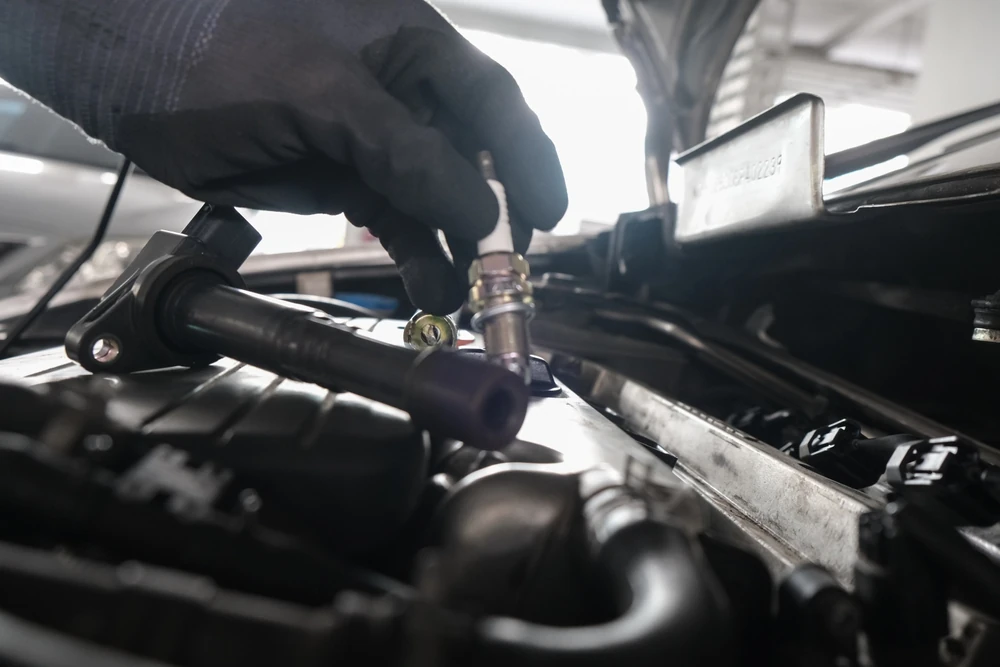
Misfires, rough idling, hesitation under load and poor fuel economy are often traced back to worn spark plugs or failing ignition coils. These components operate constantly, so it is normal for them to wear over time, especially on higher-kilometre vehicles or where servicing has been delayed.
Spark plugs are usually one of the more affordable maintenance items on a Honda, particularly when replaced as part of routine servicing before problems begin. Replacing them on time may also help reduce extra strain on the ignition system and lower the risk of drivability issues becoming more noticeable. Ignition coils tend to last longer, but when one fails, it is worth testing the remaining coils as well, particularly on older vehicles. Replacing a single coil is often manageable, but the cost rises if multiple coils need replacing at once or access is more difficult on that engine.
As Hondas age, many owners begin to notice knocking noises, vague steering, tyre wear issues or a less settled feel on the road. These symptoms are often linked to worn suspension parts such as lower control arm bushes, ball joints and sway bar links.
Some of these items are relatively straightforward repairs on their own, but costs can rise once multiple worn components are involved. What begins as one noisy bush or link can turn into a broader front-end refresh if the vehicle has a lot of kilometres on it. Delaying suspension repairs can also lead to uneven tyre wear, reduced handling confidence and extra spending in areas that may have been avoided if the problem was addressed earlier. Struts and shock absorbers also wear gradually, and once they lose effectiveness, replacing a full set becomes a more noticeable expense than addressing a small suspension fault early.
Cooling system faults are another common issue on older Hondas, particularly those with higher kilometres. Problems with radiators, water pumps and thermostats can lead to overheating, and that can quickly turn a manageable repair into a major engine problem if ignored.
Thermostats are usually one of the more affordable cooling system repairs, while radiators and water pumps tend to sit more in the middle range depending on the model and labour involved. Water pump jobs can become more expensive where extra disassembly is required to reach the part properly. The real cost issue, however, comes when overheating is left too long, as that can lead to severe engine damage and a far larger repair bill.
Air conditioning faults are another area that can catch Honda owners off guard, especially in older vehicles where seals, compressors and electrical controls have had years of use. Weak cooling, unusual noises when the air conditioning is running or intermittent performance often point to a fault within the system.
Some air conditioning repairs are fairly manageable, particularly when the issue is limited to a smaller component or an electrical fault. Compressor-related repairs, however, are often among the more expensive comfort-related repairs on an older vehicle, especially once labour, refrigerant handling and any related parts are factored in. Addressing air conditioning problems early can sometimes prevent extra strain on the system and reduce the overall cost of the repair.
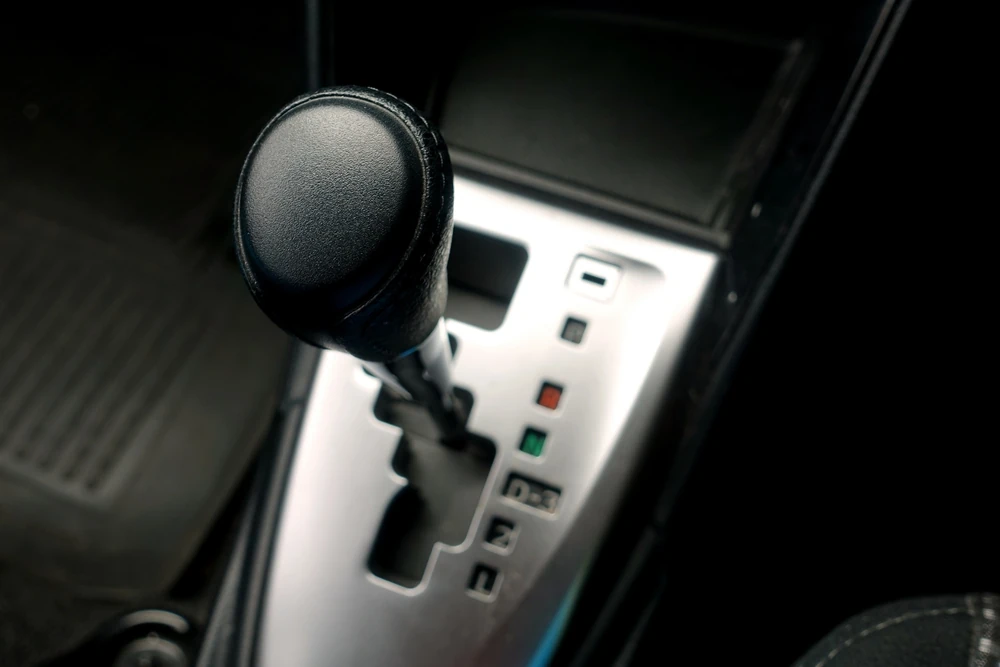
Transmission-related repairs are among the costs owners are most anxious about, and for good reason. While not every Honda will develop major gearbox problems, transmission servicing is critical, and faults can become expensive quickly when warning signs are ignored.
Automatic transmission or CVT issues may show up as shuddering, slipping, delayed engagement, harsh shifting or unusual noises. In some cases, a fluid service using the correct Honda-spec fluid can improve drivability if the issue is caught early. In other cases, worn internal components, solenoids or torque converter faults can lead to one of the more expensive repair categories on the vehicle. Driveshafts and CV joints are also common wear points, and while early intervention can keep the job more manageable, leaving a damaged joint or boot too long usually pushes the cost higher.
Electrical faults are common on ageing vehicles and can range from minor inconvenience to complete no-start problems. Hondas are generally reliable in this area, but starter motors, alternators, sensors, switches and window regulators are all parts that can fail as the years go on.
Smaller electrical problems are often relatively affordable to sort out, especially when the failed part is easy to access and the fault is obvious. Alternators, starter motors and diagnostic-heavy electrical issues can be more costly, not always because the part itself is expensive, but because testing time and labour quickly add up. These faults may not always be as dramatic as engine or transmission issues, but they still affect convenience, reliability and overall running costs.
Many owners are surprised when a repair that sounds minor turns into a much larger invoice than expected. Even when the failed part itself is not especially expensive, the total cost rises once labour, diagnostics, fluids and related fittings are added.
This is why it is important to separate the price of the part from the full cost of the repair. A timing chain tensioner, alternator or CV joint may seem affordable when looked at on its own, but once workshop time and additional materials are factored in, the total can quickly reach hundreds or even thousands of dollars. Understanding where that extra cost comes from helps owners make more informed decisions about repair timing and parts quality.
For many common Honda repairs, the part itself is not the main expense. The larger cost often comes from the time required to access it properly. Starter motors, alternators and some sensors may be tucked behind other components, while clutch replacement usually involves removing the gearbox entirely.
Modern engine bays are compact, and technicians often need to remove and refit several surrounding parts before they can even begin the actual repair. If bolts are seized, brackets are corroded or additional worn items are discovered during the job, labour time can increase further. This is why a repair that seems simple on paper can still produce a sizeable workshop bill.
Newer Hondas use more advanced electronics, emissions controls and transmission systems than older models. That added complexity improves efficiency and drivability, but it also means many repairs now require more than straightforward mechanical work.
Variable valve timing systems, turbochargers, direct injection components and modern automatic or CVT transmissions often need specialist diagnostic equipment and exact repair procedures. Some faults also require recalibration or adaptation after parts are fitted. Using the wrong transmission fluid or skipping setup procedures can create repeat faults or even cause further damage, which is why reputable workshops follow the correct specifications even when that adds to the initial cost.
Choosing genuine or high-quality replacement parts often costs more upfront, but it can help avoid repeat failures and unnecessary labour later. Cheaper parts may look attractive initially, yet they often wear out sooner or create fitment, noise or vibration issues.
Many jobs also involve sensible “while you’re there” decisions. For example, if a water pump is being replaced in an area that also contains ageing belts, pulleys or tensioners, it may make financial sense to replace those parts at the same time. That increases the immediate bill slightly, but it often reduces long-term cost by avoiding another round of labour for the same access work later on.
Used Honda parts can make certain repairs far more affordable, particularly when the price of brand-new genuine components is the main barrier. For many owners, this is where a repair starts to feel more realistic, especially on older vehicles where the cost of new parts may be hard to justify against the value of the car.
That does not mean every repair should rely on second-hand components. It means used parts can play an important financial role when chosen carefully and matched to the right type of repair. In the right situation, they help reduce upfront costs while still allowing the vehicle to remain safe, reliable and worthwhile to keep on the road.
The biggest savings are usually found in parts that are expensive to buy new but can still be checked properly before sale. Exterior panels, mirrors, headlights, interior trim, switches and some mechanical accessories are common examples where used parts can offer strong value.
Savings also become more noticeable when more than one part is needed. A single used item may make a modest difference, but several used parts in the same repair can reduce the total bill much more substantially. This is why used parts are especially appealing on older Hondas where owners are trying to manage repair costs without overcapitalising on the vehicle.
Used parts are often most practical for non-safety-critical items or components that can be visually inspected and function tested with confidence. Panels, lights, mirrors, interior trim and some electrical accessories are common examples where a good used part can be a sensible option.
Some mechanical parts can also be worth considering, especially when sourced from a low-kilometre donor vehicle and supplied by a Honda specialist. Alternators, air conditioning compressors, window regulators and mirror assemblies are common examples. However, for braking components, airbag-related parts or other safety-critical systems, new parts are often the better option. The key is choosing used parts where the application makes sense, rather than treating them as the best option for every repair.
A common concern for owners is whether a cheaper used part will last. That is why quality control matters. A reliable supplier will dismantle vehicles carefully, inspect parts for visible damage and, where possible, test components before offering them for sale.
Matching the right part to the correct model, year and variant also helps reduce compatibility problems and unnecessary fitting time. Where a supplier offers warranty coverage or a start-up guarantee, owners gain additional confidence that the part will perform as expected. This is what makes used parts a practical cost-saving option rather than simply a cheaper gamble.
Understanding which Honda parts commonly fail is not just about knowing what might go wrong. It is also about avoiding unnecessary repair costs and making better decisions before a minor issue becomes a major expense. When owners recognise early warning signs, stay on top of maintenance and choose suitable replacement parts, they are far more likely to avoid sudden breakdowns and larger workshop bills.
By understanding which faults tend to appear as Hondas age, which repairs are usually more manageable and where quality used parts may help reduce costs, owners can budget more confidently and respond earlier when problems arise. That makes it easier to keep a Honda reliable, practical and cost-effective to own over the long term.
Delivery to Trade is made twice daily Sydney wide. Delivery is also available Australia wide
To enquire about our current available stock and/or pricing please call our friendly staff on (02) 9725 2611 or click here to send us an email enquiry.

