
OPEN MONDAY-FRIDAY
02 9725 2611
LOW PRICES

Contacting Honda wreckers is rarely something planned far in advance. It may happen after a vehicle suffers a major mechanical failure, repair costs become uneconomical or an older Honda is no longer needed. Wreckers may also be contacted when a replacement engine, body panel, electrical component or other used part is required.
In either situation, providing accurate information from the beginning can make the process quicker and reduce the risk of delays or incorrect parts. Honbits uses vehicle identification, condition, location and part details to provide more accurate assessments and arrange suitable collection, delivery or pickup options.
The information required will depend on whether the enquiry concerns removing a complete vehicle or purchasing a used Honda part. Preparing the relevant details before making contact helps the wrecker understand what is needed and respond more efficiently.
Honda models with similar names can have different engines, transmissions, body styles, electrical systems and safety features. Parts may also change between generations or after a mid-cycle update, even when the model name and year appear similar.
Accurate details help the wrecker:
A component may appear physically similar or even fit into position but still have incompatible wiring, programming, mounting points or operating specifications. Providing precise information reduces the likelihood of these problems.
When arranging the removal of an unwanted Honda, the wrecker will usually need information about the vehicle, its ownership, condition and location.
Honbits stocks a range of used engines, gearboxes, doors and panels, along with other mechanical, electrical and body components for different Honda models.
Start with the basic vehicle details:
The build year can be more useful than the registration year because a vehicle may have been registered after it was manufactured. Build details are commonly shown on the compliance or build plate, registration documents or manufacturer label.
Providing the exact model and body style helps the wrecker estimate which parts may be reusable and whether there is demand for them.
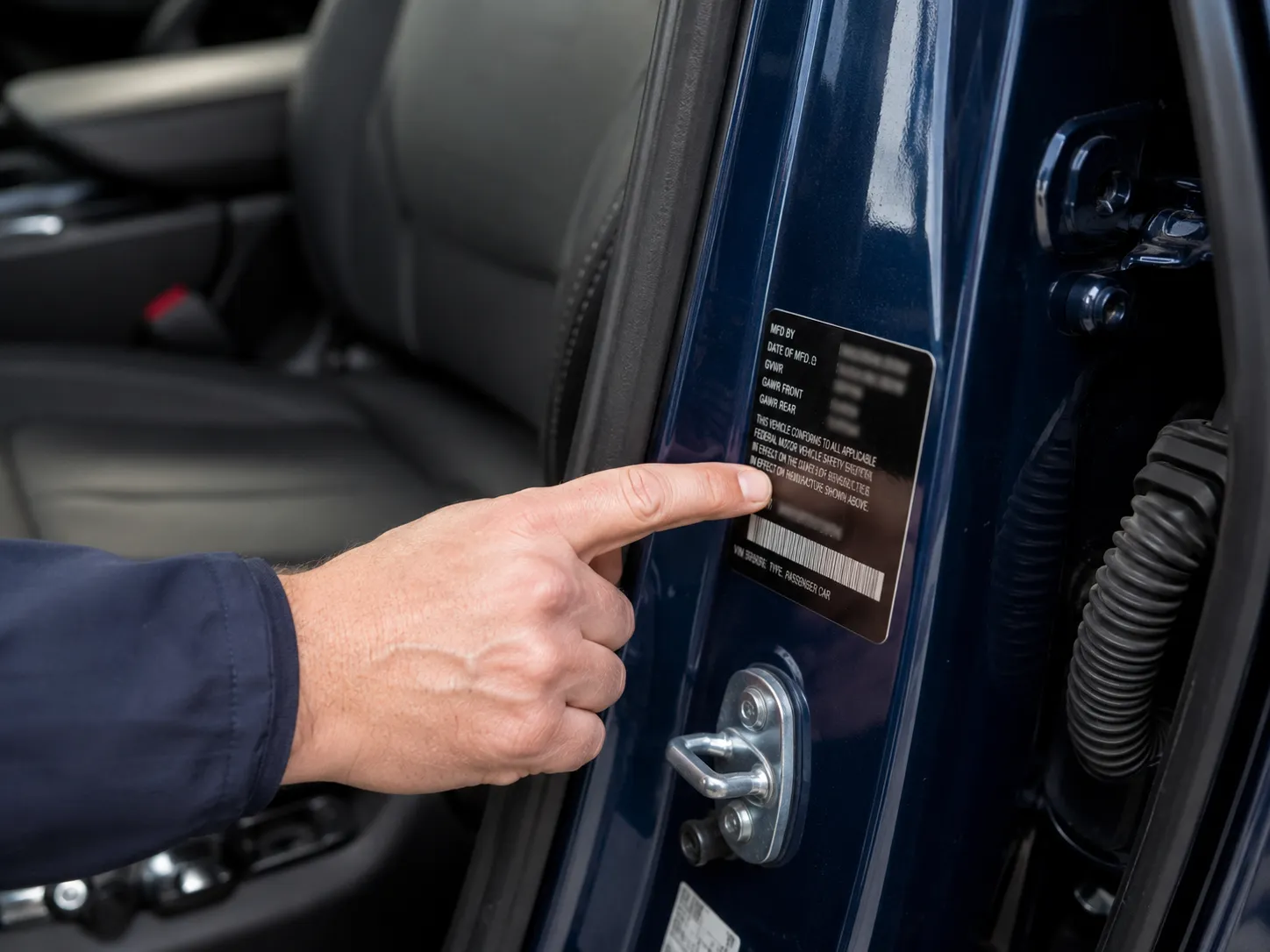
The vehicle identification number, or VIN, is a 17-character code that helps identify the vehicle’s factory specification. It may be found:
Providing the VIN allows the wrecker to check the vehicle’s specifications more accurately. It does not always guarantee an immediate match, particularly if the vehicle has been modified or imported, but it is one of the most useful identification details.
Other helpful information includes:
An approximate kilometre reading is usually sufficient. A high-kilometre vehicle may still contain valuable body, interior or electrical components.
Before collecting or purchasing a vehicle, a wrecker may need to confirm that the person arranging the removal owns the vehicle or is authorised to dispose of it.
Depending on the business and circumstances, the customer may be asked to provide:
Requirements can vary, so it is worth asking what documentation will be needed before collection day.
Describe the vehicle honestly and in enough detail for the wrecker to assess it properly. Explain whether it:
Also mention any major components that are missing, including the:
Missing components may affect the quote and the type of equipment needed for collection.
Provide the exact suburb and postcode during the initial enquiry. The full street address can be supplied when the collection is booked.
Explain whether the vehicle is located:
Mention any height limits, security access requirements, time restrictions, steep slopes or restricted turning areas.
The wrecker will also need to know whether the vehicle can roll, steer and brake. This information helps determine whether a standard tow truck, tilt tray, winch or other recovery equipment is required.
Clear photographs can help the wrecker assess the vehicle before collection. Useful images include:
Photos should accurately show the vehicle’s condition. Avoid relying on old images taken before the damage occurred.
Depending on whether the number plates remain with the vehicle, the registered operator may need to submit a notice of disposal or cancel the registration after selling it to a wrecker. Before confirming the removal, ask:
Clarifying these details helps prevent misunderstandings on pickup day.
When purchasing a used Honda part, the wrecker needs enough information to identify the exact vehicle and component.
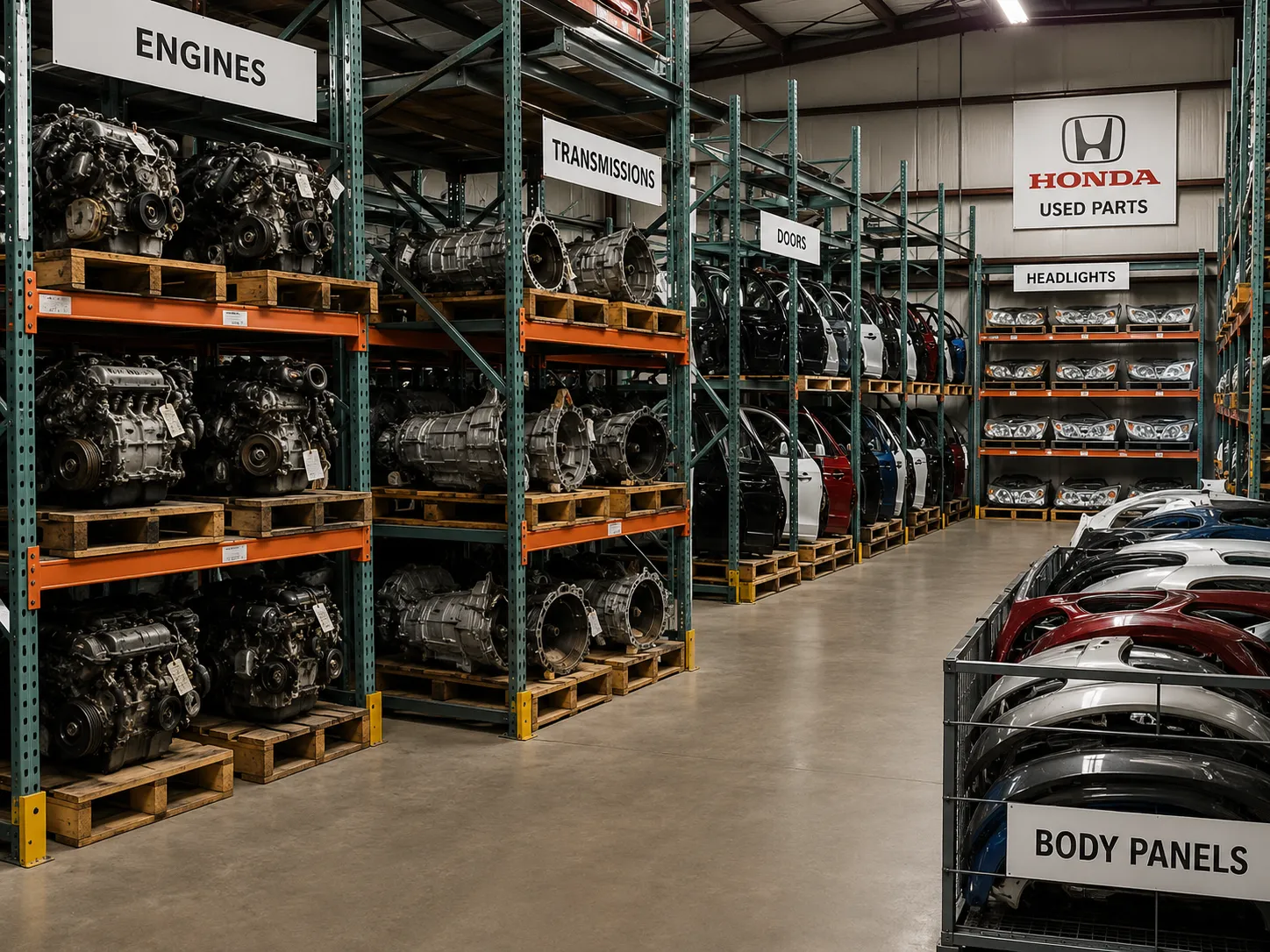
A model name alone may not be enough to confirm compatibility. Provide:
New generations often use different platforms, body structures, suspension systems and electrical components. Mid-cycle updates may also change headlights, bumpers, grilles, interior trims and sensors.
For example, two vehicles registered in the same year may have different front-end parts if one was built before a model update and the other was built afterwards.
Many Honda models were offered with more than one engine or transmission during the same production period.
Be ready to provide:
Automatic, manual and CVT versions may use different gearboxes, mounts, driveshafts, pedal assemblies, shifter mechanisms and electronic controls.
Front-wheel-drive and all-wheel-drive models may also use different rear subframes, differentials, fuel tanks, driveshafts and suspension components.
Trim and option packages can affect the compatibility of:
Sport, RS, hybrid and higher-grade variants may use different brakes, suspension, electrical systems or exterior trim compared with base models.
Mention any relevant factory features, especially when enquiring about electrical, interior or safety-related components.
Describe the required component as specifically as possible.
Instead of asking for a mirror, explain whether it is:
The same level of detail should be used for other parts. For example:
Many components have a number, label or code stamped, moulded or printed on them. Check:
Write down the complete number where possible. Even a partially readable number may help the wrecker narrow the search.
Avoid relying only on appearance. Genuine and aftermarket parts can look similar, and visual differences are not always enough to confirm compatibility.
Use left and right as viewed from the driver’s seat, not while standing in front of the vehicle.
Examples include:
Also specify whether the part is front or rear, upper or lower, inner or outer. Clear positional information reduces a common source of incorrect orders.
Good photographs can answer many fitment questions without requiring an in-person inspection.
Take:
If the part has already been removed, place it on a clean, plain surface and photograph the front, back and side edges.
For mechanical parts, photograph brackets, pulleys, hose connections and electrical plugs. For body parts, show the contour, finish and mounting locations.
Avoid heavy shadows, glare or reflections that hide damage or important details.
Several vehicle differences can determine whether a used part will fit and function correctly.
A new generation may introduce changes to:
A facelift within the same generation may alter headlights, bumpers, grilles, taillights, dashboards, infotainment systems and interior trims.
Do not assume that parts from two vehicles with the same model name and registration year are interchangeable.
Hatch, sedan, coupe, wagon and SUV versions commonly use different:
Mechanical components may be shared across body styles, but body and interior parts often are not.
Petrol, diesel, turbo and hybrid versions may use different:
Electronic modules may also require programming or calibration after installation. The customer should confirm this with a qualified mechanic or automotive technician before purchasing.
Once compatibility has been discussed, confirm how the part will be collected or delivered.
Ask:
For large items such as engines, transmissions and panels, make sure the collection vehicle is suitable.
Smaller parts may be sent by post or courier. Larger components may require pallet freight or specialist transport.
Provide:
For engines, transmissions and other heavy items, confirm whether a forklift, loading dock or workshop equipment is available. Residential delivery may involve different requirements or additional charges.
Ask whether the price includes:
Transit times can vary, particularly for regional destinations.
Some wreckers and parts suppliers offer reconditioned or exchange units. In these cases, the old component may need to be returned.
Before purchasing, ask:
Do not assume the faulty part has no value. It may still be suitable for reconditioning or component recovery.
A few final questions can reduce the risk of purchasing an unsuitable component. Buyers should confirm the part’s condition, warranty and return terms before paying, as these details can vary between suppliers and components.
Ask:
Where possible, have a mechanic compare the supplied details with the existing part before ordering.
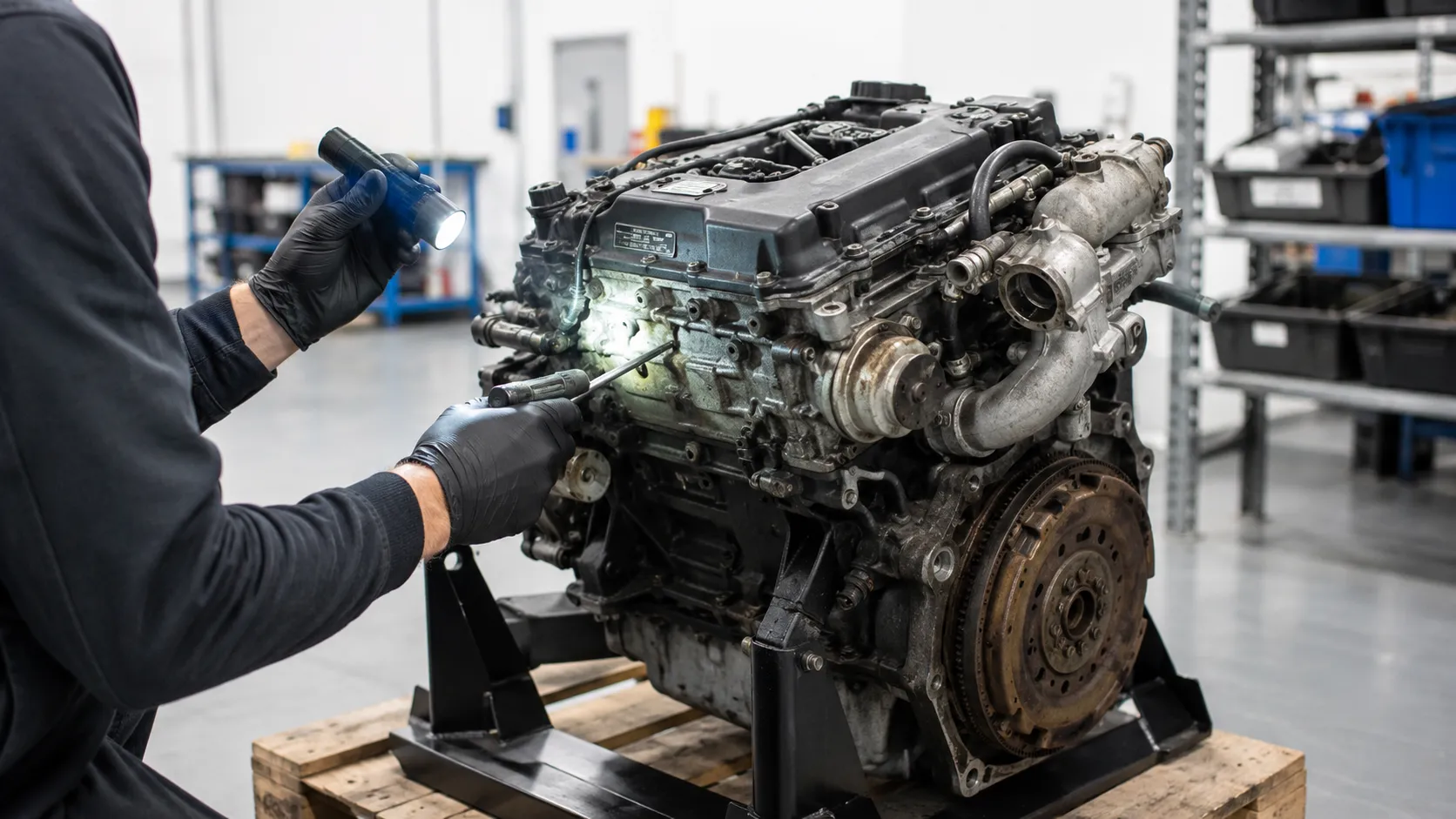
Used parts vary in age and condition. Understanding the inspection and testing process can help buyers ask more informed questions about a used component and how its condition was assessed. Ask:
For engines, transmissions and differentials, testing may include a running check, road test, leak inspection or other assessment. Not every part will have undergone the same testing, so ask exactly what was completed.
Before paying, confirm:
Warranty conditions may require installation by a qualified mechanic or evidence that related systems were inspected and serviced.
Ask whether the quoted price includes:
Confirming the total cost before placing the order helps avoid unexpected expenses.
Preparing before contacting a Honda wrecker can save time, support a more accurate quote and reduce the chance of ordering an incompatible part.
For vehicle removal, have the make, model, year, VIN, ownership details, condition and location ready. Explain any missing components or access restrictions and confirm the payment, towing and collection arrangements before booking.
For a replacement part, provide the vehicle’s build details, engine, transmission, body style, trim level and the exact position and part number of the component. Clear photos can also help confirm fitment and condition.
Honbits assists with Honda vehicle removals and used-parts enquiries by assessing the details provided and explaining the available collection, pickup or delivery options. Supplying accurate information from the outset helps make the process more efficient and straightforward.
Delivery to Trade is made twice daily Sydney wide. Delivery is also available Australia wide
To enquire about our current available stock and/or pricing please call our friendly staff on (02) 9725 2611 or click here to send us an email enquiry.

